Golders Green Road rubbish removal guide for terraces
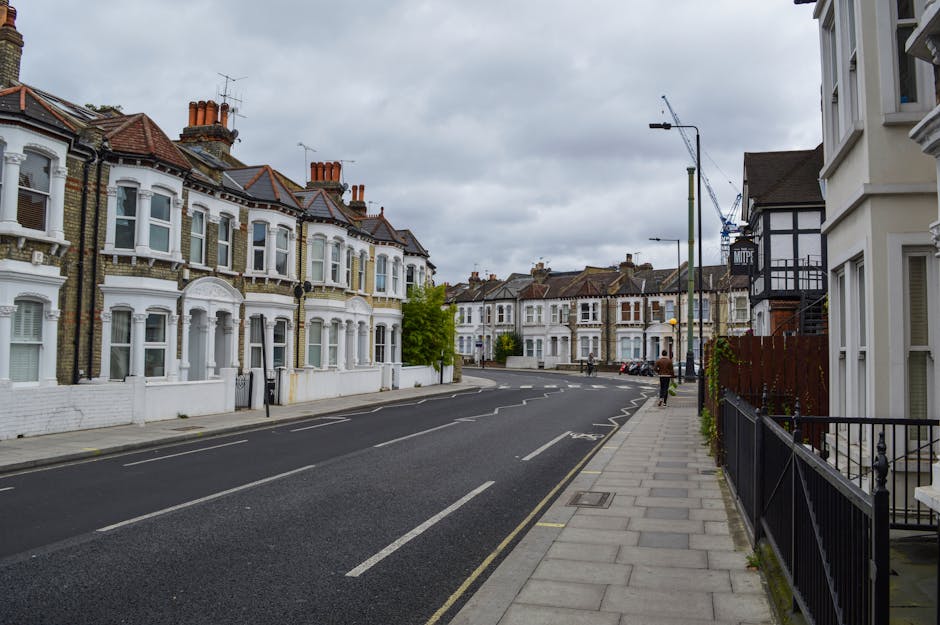
If you live on or near Golders Green Road, you already know terrace waste removal is rarely as simple as dragging a few bags outside. Narrow front paths, shared access, parked cars, basement steps, and neighbours who notice everything can make even a small clear-out feel like a mini operation. This Golders Green Road rubbish removal guide for terraces breaks the process down in plain English, so you can clear waste without blocking the street, upsetting the neighbours, or choosing the wrong disposal method.
Whether you are clearing a back bedroom, lifting old furniture out of a Victorian terrace, or tidying up after light renovation work, the goal is the same: get the rubbish gone efficiently, legally, and with the least disruption. That sounds simple. In real life, not always. But with the right plan, it becomes much easier.
In this guide, you will learn how terrace rubbish removal works, when to choose skip hire or a collection service, how to avoid access problems, and which options suit different kinds of waste. A few sensible decisions upfront can save a lot of hassle later.
Why Golders Green Road rubbish removal guide for terraces Matters
Terraced homes come with a very particular set of challenges. Space is limited, the kerb may already be busy, and access through the house is often tighter than people expect. A bulky sofa may make it to the hallway, then suddenly stop there. Happens all the time. The job is not just removing waste; it is removing it without turning your front garden, pavement, or shared driveway into a mess.
On Golders Green Road, the mix of residential traffic, older properties, and parking pressure means disposal planning matters more than in a newer suburban street. If you are thinking about a skip, a van collection, or even a quick rubbish removal service, the access question should come first. Where will the waste sit? How will it get out? Who will move it? Those details decide whether the project feels smooth or frustrating.
There is also the neighbour factor. Terraces share walls, front boundaries, and often sightlines. A stack of waste left out too early can look untidy and create tension. A tidy, planned removal keeps things calm. To be fair, that is half the battle on a street like this.
How Golders Green Road rubbish removal guide for terraces Works
Most terrace rubbish removal jobs follow one of three routes: a booked collection, a skip-based solution, or a vehicle-assisted load-and-go service. The right choice depends on how much waste you have, whether it can fit through the property, and whether you have somewhere safe to place containers.
A straightforward house declutter might suit a van collection. A loft clear-out with mixed bulky waste may suit a domestic skip arrangement, especially if you can use a front space safely. A renovation job with brick, timber, plasterboard, and old fixtures may need a more structured approach, and sometimes a builders skip hire option is the better fit. If the waste is awkward or heavy, a grab hire service can also be a smart alternative where access allows.
On terraces, one of the big decisions is whether the waste will be loaded by you, by a crew, or by a mechanical grab. That choice affects time, cost, and how much lifting you have to do. Nobody enjoys carrying wardrobe panels down two flights of narrow stairs while trying not to scratch the paintwork. One is enough, thank you very much.
If you need a more general introduction to disposal options, the company's skip hire and domestic skip hire pages are useful starting points. For households with heavier clear-outs, house clearance can also be a practical route.
Key Benefits and Practical Advantages
The biggest benefit of doing terrace rubbish removal properly is control. You know what is being removed, when it is being removed, and where it is going. That matters when you are working around neighbours, parked cars, or a tight front boundary.
Here are the advantages that usually matter most:
- Less disruption: A planned collection reduces noise, clutter, and repeated trips in and out of the house.
- Cleaner front areas: On a terrace, the front path and pavement are part of the whole impression. Keeping them clear helps.
- Better waste sorting: Mixed waste can be separated more sensibly when you plan the load in advance.
- Safer handling: Heavy items like white goods, mattresses, and broken units are easier to manage when the right method is chosen.
- Fewer delays: If access is thought through early, the job is more likely to finish in one visit rather than three.
There is also a financial angle. Paying for the wrong service can mean extra labour, wasted capacity, or having to reorder collection. It is usually cheaper to spend ten minutes planning than to pay for a second visit. Obvious, yes, but easy to overlook when the room is full and you just want it gone.
If you are comparing options, the company's skip sizes and prices page can help you judge what is realistic for the amount of waste you have. If you need to move fast, same-day skip hire may also be worth considering when availability allows.
Who This Is For and When It Makes Sense
This guide is for homeowners, tenants, landlords, and small property managers dealing with terrace properties along Golders Green Road and nearby streets. It is especially useful if your waste is too much for normal household bins, but not quite a full commercial clearance job.
It makes sense if you are:
- clearing out an attic, cellar, or spare room
- getting rid of old furniture before redecorating
- disposing of garden cuttings from a small terrace garden
- moving out and need a quick, tidy reset
- dealing with post-refurbishment waste from light domestic works
- managing a landlord turnaround between tenants
It is also relevant if your terrace has awkward access. Some homes have a narrow hallway and a tiny front forecourt, which makes bin-day style disposal unrealistic. Others have shared side access, but only for people, not for large containers. In those cases, the removal method matters more than the waste itself.
For people with loft clutter or garage overflow, related services like garage and loft clearance often fit the job well. If the issue is domestic furniture, then mattress and sofa disposal can be a neat solution for the awkward bulky items that never quite fit any plan.
Step-by-Step Guidance
A good terrace rubbish removal job starts before the waste leaves the house. The process is simple enough, but the order matters.
- Walk the route first. Check the path from the room to the exit. Look for tight corners, stairs, low ceilings, and anything that will snag.
- Sort waste into sensible groups. Keep general rubbish, bulky furniture, recyclable material, and restricted items separate where possible.
- Measure the volume roughly. You do not need perfection, just a realistic sense of whether this is a small load, a half-load, or something larger.
- Choose the right removal method. A van collection, skip hire, or grab-based solution will suit different layouts and waste types.
- Check access and permissions. If a container may sit on the road, think about permits or restrictions early rather than after delivery day.
- Protect floors and walls. Cardboard, dust sheets, or simple protective coverings help when carrying items through tight spaces.
- Load safely and methodically. Heaviest items first, lighter items on top, and no random stacking that collapses halfway through.
- Finish with a clear sweep. Remove dust, loose debris, and anything left near the pavement or entrance.
If you are not sure what can go in a skip versus what needs separate treatment, the company's what can go in a skip page is a sensible reference point. It is one of those pages people are glad they checked before the driver arrives, not after.
For jobs where you want the waste collected and gone quickly without leaving a skip in place, wait and load skip hire can be practical. It is especially handy where pavement space is tight or you do not want a container sitting outside for long.
Expert Tips for Better Results
In terrace properties, the small details do a lot of the heavy lifting. A few expert habits make the job smoother right away.
- Keep the hallway clear before collection day. If the route is blocked by coats, bags, or bikes, every item takes longer to move.
- Break down bulky items early. Flat-pack furniture, dismantled bed frames, and removed shelves save space and reduce awkward lifting.
- Use a staging area. A small, tidy space near the exit helps keep the main rooms free while you work.
- Think about noise timing. Early morning collections are fine for some households, but on a terrace they can feel louder than expected because sound carries. A bit of judgment helps.
- Separate risky items. Anything sharp, dusty, or potentially hazardous should be flagged before the job begins.
One thing people often underestimate is how much simpler a task becomes when the end point is clear. If the waste is going in a skip, know the load plan. If it is going on a vehicle, know where it will sit. If it needs special disposal, treat it separately. That sounds almost too basic to say, yet it saves real time.
If you need a more secure container for mixed waste, enclosed and lockable skip hire may be worth a look. And for waste that includes appliances, the dedicated fridge and appliance removal service can be far easier than trying to manage white goods yourself.
Common Mistakes to Avoid
Most problems with terrace rubbish removal are predictable. That is actually good news, because predictable problems are easy to avoid.
- Underestimating access. A sofa that looks manageable in the lounge can become impossible at the front door. Measure first.
- Choosing size by guesswork. Too small, and you need another load. Too large, and you may overpay.
- Leaving waste outside too early. On shared streets, that can create a mess and sometimes an access issue.
- Mixing restricted items with general waste. This can lead to refusal, delays, or separate disposal charges.
- Forgetting permit needs. If a skip or container is going on public space, the permit question should be handled early.
- Skipping the clean-up. Small debris left behind can make the whole job feel unfinished.
Another common issue is assuming every service works the same way. It does not. A van team, skip service, or grab-lorry setup each has its own sweet spot. Picking the wrong one for a terrace can be awkward. Not disastrous, just irritating. And nobody wants irritating on a busy road.
Tools, Resources and Recommendations
You do not need a lot of specialist kit, but a few practical tools help enormously.
- heavy-duty bin bags for loose waste
- gloves with a decent grip
- sturdy tape for securing loose parts
- cardboard or dust sheets for floor protection
- a tape measure for doors, stair turns, and bulky furniture
- a torch for lofts, cupboards, and under-stair spaces
For service selection, the most useful website pages are usually the ones that answer real decision questions. Start with rubbish removal if you want a straightforward collection route. Use skip permits or skip permits if public placement is possible. And if you want to compare what different services are best for, the waste recycling services page is useful for understanding what happens after collection.
For bigger or more awkward loads, man and van can be a practical middle ground. It is especially sensible when the waste is too much for normal uplift but not enough to justify a larger container-based approach.
Law, Compliance, Standards, or Best Practice
Terrace rubbish removal is not just about convenience. There is a responsibility side too. In the UK, waste must be passed to a properly licensed carrier, and you should be cautious about handing waste to anyone who cannot explain where it goes. That is basic best practice, but it is surprising how often people skip it when they are in a hurry.
If a skip or container is placed on a public road or pavement, permissions may be needed. Exact rules can vary by council and location, so it is sensible to check rather than assume. On busy roads like Golders Green Road, this matters more because space is already under pressure.
Hazardous or specialist items should be handled separately. That includes certain chemicals, some electrical items, and anything that could pose a safety issue during transport or sorting. If in doubt, use a dedicated route such as hazardous waste disposal rather than mixing it into general domestic waste.
Good compliance is also about neatness and safety. Safe lifting, clear walkways, sensible stacking, and avoiding overfilled containers are not just nice-to-haves. They reduce damage and risk. A responsible service should be clear about these points, and you should expect that level of clarity.
For readers who want to understand the wider business standards behind service delivery, pages like health and safety policy, insurance and safety, and recycling and sustainability provide useful reassurance about how a professional operation should approach the work.
Options, Methods, or Comparison Table
Here is a simple comparison of common terrace rubbish removal methods. The best choice depends on access, volume, and how quickly you need the job finished.
| Method | Best for | Strengths | Watch-outs |
|---|---|---|---|
| Rubbish removal collection | Small to medium mixed loads | Fast, minimal disruption, little lifting if included | May be less cost-efficient for larger volumes |
| Skip hire | Clear-outs, renovation waste, ongoing loading | Flexible loading time, useful for staged work | Needs space and sometimes permits |
| Wait and load | Short, urgent jobs with limited space | No long-term street occupation, good for terraces | Requires the waste to be ready quickly |
| Grab hire | Heavy, bulky, or awkward loads | Good for fast removal of heavier material | Needs suitable access and loading area |
| Man and van | Bulky household items and mixed clear-outs | Hands-on support, adaptable for difficult access | Availability and volume limits vary |
If you are choosing between these, think about the front access first, then the waste type, then how much time you have. That order is usually the cleanest way to decide.
For customers who need a secure option, especially where the waste is being stored briefly near the property, enclosed and lockable skip hire can be a reassuring alternative. It is not for everyone, but it suits certain terrace setups very well.
Case Study or Real-World Example
Imagine a three-storey terrace on Golders Green Road with a cellar, a narrow hallway, and a front space just big enough for a small temporary container. The homeowner is clearing old furniture, broken shelving, and a pile of general clutter gathered over years. Nothing dramatic, just the usual life stuff. You know the sort.
At first, the plan is to use the back alley for everything, but access turns out to be too awkward for larger items. The sofa will not angle out cleanly, and the wardrobe panels are too long for the stairs without dismantling. So the job changes. Flat items are broken down upstairs, loose rubbish is bagged, and bulky waste is grouped at the front. A collection service handles the load in one visit, and a small amount of remaining material is taken separately the next day.
The result is tidy, quick, and far less stressful than trying to force a one-size-fits-all approach. The big lesson? Terrace rubbish removal works best when the access route drives the plan, not the other way round.
For that kind of project, a household may combine house clearance with targeted services such as mattress and sofa disposal. That mix often keeps the whole job simpler than trying to do everything under one label.
Practical Checklist
Use this quick checklist before booking terrace rubbish removal:
- walk the route from room to exit
- measure large items and doorways
- sort waste into general, bulky, recyclable, and specialist items
- decide whether you need collection, skip hire, grab hire, or wait-and-load
- check if a permit may be needed for public placement
- protect floors, walls, and tight corners
- confirm the collection window and access arrangements
- keep neighbours informed if the work may affect parking or front access
- separate anything hazardous or restricted
- sweep up properly once the waste is gone
If you are still weighing up costs, the pricing and quotes page is the sensible place to start. A clear quote helps you compare options without guesswork, which is honestly half the relief.
Conclusion
Terrace rubbish removal on Golders Green Road is all about planning for the shape of the property, not just the amount of waste. Once you think in terms of access, load type, and timing, the whole process becomes much more manageable. A good plan means fewer surprises, fewer awkward lifts, and a cleaner finish for you and your neighbours.
Whether you choose rubbish removal, skip hire, wait-and-load, or a more tailored collection, the best result comes from matching the service to the property. That is especially true in terraces, where a few inches can make a big difference. Little details, big effect.
For more about the company behind these services, you can also read about us and, if you are ready to move ahead, use the online booking journey at book online. If you prefer to talk through the right setup first, contact us is there too.
Get a free quote today and see how much you can save.
And once the clutter is gone, the house feels bigger, lighter, almost quieter. Funny how that happens.
Frequently Asked Questions
What is the best rubbish removal option for terraces on Golders Green Road?
It depends on access and waste volume. For mixed household clutter, a van collection is often simplest. For larger or staged clear-outs, skip hire can be better. If space is tight, wait-and-load may be the most practical choice.
Do I need a permit for terrace rubbish removal?
You may need one if a skip or container sits on a public road or pavement. The need depends on placement and local requirements, so it is best to check early rather than assume.
Can I remove bulky furniture from a narrow terrace house?
Yes, but measure the route first. Sofas, wardrobes, and bed frames often need dismantling or a careful lifting plan. Sometimes a specialist collection is easier than trying to force the item through a tight staircase.
Is wait-and-load suitable for terrace properties?
Very often, yes. It works well where there is little room for a skip or where you want the waste removed quickly without leaving a container outside.
What waste should not go in a general load?
Anything hazardous or restricted should be separated. That can include certain chemicals, and some specialist items may need dedicated disposal. If you are unsure, ask before loading.
How do I know which skip size I need?
Start by estimating the volume of waste and thinking about how bulky it is. The skip sizes and prices page is a useful guide for comparing options without overcommitting.
Is grab hire good for terrace rubbish removal?
It can be, especially for heavier material or where waste is already stacked in an accessible place. It is less about the terrace itself and more about whether the loading point works for the vehicle.
Can I book same-day rubbish removal?
Sometimes, yes. Availability varies, but same-day skip hire may help if you need a quick turnaround and the right setup is available.
What if I only have a few large items to remove?
For a small number of items, a targeted service is often more sensible than booking something large. White goods, mattresses, and single bulky items can often be handled more efficiently on their own.
How can I keep the job tidy and neighbour-friendly?
Keep waste inside until collection day, protect the route, avoid early pile-ups on the pavement, and finish with a proper sweep. On a terrace, neatness really does matter more than people think.
Is there a difference between rubbish removal and house clearance?
Yes. Rubbish removal usually focuses on waste collection, while house clearance is broader and often suited to fuller property clear-outs. If you are emptying multiple rooms, house clearance may fit better.
What should I do with appliances or shredded documents?
Appliances should be handled separately where needed, and confidential paper waste is best routed through a dedicated shredding service. It is cleaner, safer, and far less faff than trying to mix it in with general rubbish.
For more useful details on related services and standards, you can also review waste recycling services, payment and security, and the company's terms and conditions. A little homework before booking goes a long way.