Skip Hire in Golders Green for home, trade and site clearances
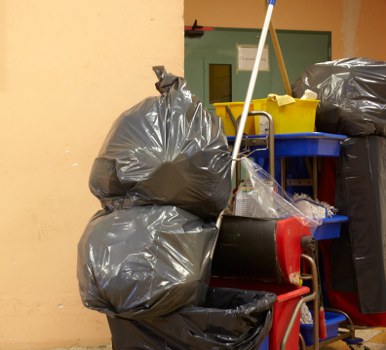
Skip hire in Golders Green gives households, builders and business customers a straightforward way to keep waste moving off site and into the right disposal route. Whether you are clearing a property, dealing with renovation debris or managing ongoing trade waste, the main job is to match the skip to the waste type, the space available and the length of time you need it. We focus on practical skip hire arrangements that help keep projects organised from start to finish.
Our service can suit mixed rubbish streams where an efficient container is the simplest option, as well as more specific jobs that need careful sorting. For customers comparing options, it helps to look at the likely waste volume, the access to the loading point and whether the work is one-off or repeated. If you already know the job, you can move quickly from rough estimate to a suitable skip size; if not, a clear description of the materials is usually enough to begin. Request a quotation when you are ready.
Alongside standard skip hire, many customers also want guidance on where the waste goes, what is accepted and how permits or access issues may affect the order. That is why the rest of this page sets out the main service areas in a simple way, so you can decide whether you need domestic skip hire, builders’ support, a permit-based placement or a more specialist waste collection method. For a straightforward start, choose the service that best matches the job and then compare the detail that follows.
Domestic skip hire for clear-outs and renovation waste
Domestic skip hire is often the most useful choice when the work involves mixed household waste from decorating, clearing a room or tackling a larger tidy-up. The advantage is that everything goes into one container, which is often simpler than arranging several separate collections. It is still sensible to think about waste types before placing an order, because items such as plasterboard, electricals and heavy rubble may need different handling from ordinary household rubbish.
For many home projects, the main decision is size. A skip that is too small can slow the work, while one that is much larger than needed can be awkward if space is tight. Customers usually benefit from considering the sort of items they will load, whether the skip will sit on a driveway or in a street location, and how long the project will take. If the waste comes from a loft, garage or kitchen update, the right choice usually depends on volume rather than weight alone.
What household customers typically send
Typical domestic loads can include old furniture, packaging, broken fixtures, stripped flooring and general clutter from decluttering jobs. Some materials are accepted only when they are separated correctly, so it is helpful to keep a simple list of the contents rather than guessing at the end of the job. If your project includes awkward items, a short description of the waste stream makes it easier to choose a suitable service. What can go in a skip is a useful place to check the basic guidance before you book.
Builders’ and construction waste handling

Builders’ skip hire is designed for work that produces dense, heavy or awkward debris, such as brick, block, tile, soil from small excavations, timber offcuts and mixed material from internal alterations. Because construction waste can be heavier than it looks, the type of load matters as much as the amount of space it fills. A project that seems modest in volume can still require a robust disposal plan if the waste is compact and weighty.
When planning for building work, it is useful to think through the stages of the job rather than only the final pile of rubble. Some customers want a skip for a short burst of demolition, while others need something in place during a longer refurbishment. Careful planning helps avoid delays caused by waste building up in work areas, and it also helps keep the site safer and easier to move around. For larger or more intense workloads, builders’ skip hire and construction waste disposal are both relevant service pages to review.
Where the job includes strip-out materials, separate disposal categories may be useful. Construction debris, demolition waste and site clearance work can overlap, but they are not always identical, so the best result often comes from choosing the page that most closely matches the waste profile. If your project includes ongoing loading over several days, it can also be useful to compare skip hire with other collection methods before deciding how the removal should be handled.
Skip access, permits and placing the container
Choosing where the skip will sit is just as important as choosing the size. A driveway placement can be simple where there is clear access, while a roadside position may need extra thought because of passing traffic, parking pressure and permit rules. The practical question is whether the skip can be delivered and collected without blocking key access routes, damaging surfaces or making loading unnecessarily difficult. If access is constrained, skip permits can be relevant to the arrangement.
Permit requirements vary by location and by where the container is placed, so it is sensible to treat them as part of the order rather than an afterthought. Customers sometimes assume the waste itself is the only factor, but the access route can affect the choice of service and the timing of delivery. If your driveway is steep, narrow or shared, that may influence whether a standard skip, a different container type or another collection method is the easiest option. In many cases, the simplest quote comes from describing the location, the materials and any restrictions together.
For jobs where access is limited or the waste cannot remain on site for long, a managed service can reduce interruptions to the rest of the project. The key decisions are still the same: container size, access method, waste type and collection timing. Clear planning at the beginning saves frustration later, especially where you are trying to keep neighbours, vehicles and work areas separate from the loading point.
Same-day, wait-and-load and faster removal options
Some jobs do not suit a container staying on site for several days. In those cases, faster removal methods can be more practical, especially where access is temporary, parking is limited or the waste needs to disappear soon after it is loaded. Same-day skip hire, when available, is often considered for urgent clear-outs, while wait-and-load arrangements can suit places where a skip cannot be left in position. Same-day skip hire is worth reviewing if timing matters.
Wait-and-load skip hire is not the right answer for every project, but it can be valuable for tight sites, short clear-outs and locations where permits would be cumbersome. The waste is loaded while the vehicle waits, so the arrangement depends on efficient preparation and access. It is especially useful when the amount of waste is manageable but leaving a skip behind would be inconvenient. For a similar approach with a different loading style, wait-and-load skip hire gives a more specific overview.
If your work is part of a short clearance window, think in terms of readiness: waste gathered in one place, access kept open and any fragile surfaces protected before the vehicle arrives. That can make the collection more efficient and easier to organise. It is a different service model from standard skip hire, but for some customers it is the most practical way to keep a job on schedule.
Garden, garage and household clearances

Garden waste removal is useful when green waste, cuttings, soil, timber edging or old outdoor materials need to be removed as part of a seasonal tidy-up or landscaping job. Some outdoor waste is straightforward, but mixed loads from sheds, fences and garden furniture may need broader handling. Where the job extends beyond pruning and leaves, it helps to think about whether the waste is primarily green, mixed domestic or part of a larger property clearance. Garden waste removal is a sensible option for greener loads.
Garage and loft clearance often produces a different type of waste, with boxes, broken storage items, old fixtures and long-kept clutter that may no longer have a clear home. These jobs can be deceptively time-consuming because the waste often has to be sorted as it comes out of storage. A skip can make the process simpler, but it still pays to separate reusable, recyclable and non-recyclable items where possible. For heavier domestic tidy-ups, garage and loft clearance and house clearance are both relevant pages.
When you are choosing between domestic clearance and skip hire, the main question is who is doing the loading and how long it will take. If you want to work through the pile yourself, a skip gives you control over the pace. If the job is broader or includes several rooms, a clearance-style service may be more convenient. Either way, it is best to start with the type of material rather than the first thing you want removed.
Commercial and office waste solutions
Commercial skip hire is useful for premises that produce regular or project-based waste, from refits and fit-outs to stockroom clear-outs and periodic maintenance. Offices, shops and other business sites often need a disposal method that fits around opening hours, access restrictions and the kind of materials being removed. That is why service choice matters: paper-heavy waste, broken furniture, shelving, packaging and mixed refurb debris can all call for different handling. Commercial skip hire is a good starting point for business customers.
Office clearance work can involve furniture, files, fixtures and miscellaneous items that need to leave the building without creating unnecessary disruption. The best approach depends on whether you want the waste removed in one concentrated visit or over a longer project timeline. If paperwork is part of the load, confidential shredding may be relevant, but only when the documents are genuinely sensitive and separate handling is required. For general workplace items, office clearance gives a more focused service overview.
Businesses often value clarity more than speed promises, because coordination matters when staff, customers or contractors are still using the premises. A good order description includes the main waste types, the loading access and whether the work is tied to a closure, relocation or fit-out. That makes it easier to decide between a skip, a clearance service or a mixed approach that suits the building and the timetable.
Waste types, recycling and specialist disposal
Not every item belongs in the same container, and specialist waste categories exist for a reason. Some materials require separate treatment because of their size, hazard level or recycling route. Appliances, mattresses, sofas, confidential documents and hazardous items are all examples of waste that can call for more specific handling. For customers sorting through mixed loads, it is often better to identify the awkward pieces early rather than discovering them at collection time. Pages such as fridge and appliance removal and mattress and sofa disposal are helpful where the waste is item-specific.
Recycling and reuse matter because they influence what happens after collection. Some waste streams can be sorted into reusable or recyclable fractions, while others need disposal by a more controlled route. Customers do not need to become experts in treatment methods, but it is sensible to understand that not all loads are processed in the same way. If sustainability is part of your decision-making, waste recycling services and recycling and sustainability explain the wider approach.
Hazardous waste deserves particular care, and it should not be mixed into ordinary skip loads. Paints, chemicals and similar items may need separate arrangements, both for safety and for compliance with disposal rules. Where there is any doubt, the correct move is to identify the material before collection is booked. That avoids confusion and helps prevent the wrong waste being placed in the wrong container.
About Golders Green
Golders Green is a district in northwest London within the London Borough of Barnet, known for sitting on the edge of Hampstead Garden Suburb and for its long association with the growth of suburban London in the late nineteenth and early twentieth centuries. The area developed significantly after the arrival of the railway, and its streets show a mix of residential building styles that reflect different phases of expansion. Golders Green Road forms a central corridor through the district, linking shops, services and transport connections while giving the place a busy, layered character. The locality is also notable for Golders Green Crematorium, opened in 1902 and one of the earliest crematoria in the country, which has become an important historical landmark. Nearby, Golders Hill Park provides formal gardens, a small zoo and views across the wider parkland linked to Hampstead Heath, while the Heath Extension and other open spaces contribute to a sense of greenery within a dense urban setting. The area’s cultural life has also been shaped by its diverse communities, reflected in places of worship, food businesses and local institutions that have developed over many decades. Together, these features give Golders Green a distinctive identity within north London: part residential suburb, part commercial centre and part historic urban landscape, with transport and open space playing a large role in how the district is experienced today.
Choosing the right service and preparing your quote
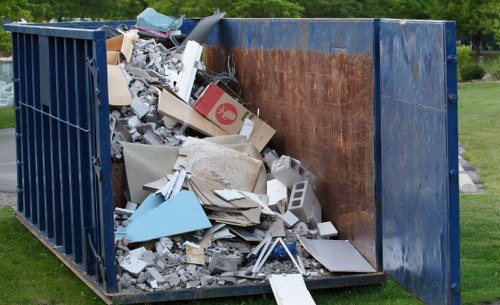
The simplest way to choose a waste service is to match the job to the material, the access and the amount of handling you want to do yourself. A skip is usually the right fit where you are happy to load waste gradually, while a clearance-style service may suit jobs where the contents need to be removed in one go. For example, site clearance and demolition waste removal can be more appropriate than a standard container when the project is more intensive or more tightly managed.
To prepare a sensible quotation, it helps to note the main waste types, approximate volume, collection point and any access concerns. If the material includes mixed rubble, green waste, furniture or specialist items, a brief list is often enough to steer the order in the right direction. The aim is not to make the process complicated; it is simply to avoid surprises and make sure the chosen service reflects the actual work. If you need a permit or an alternative loading method, that should be mentioned at the same time.
Useful additional pages include skip sizes and prices for a broader comparison of container options and pricing and quotes if you want to understand how the service is typically structured. Request a quotation when you have the details ready, or use the service page that best matches your waste to narrow down the choice first.
Practical planning for collection day
A smooth collection usually starts with simple preparation rather than complicated instructions. Keep the waste in one place if possible, leave a clear route for access and make sure the main items are ready to go before the vehicle arrives. If you are sharing space with neighbours or other trades, it helps to agree the loading point in advance. That is especially useful on tighter residential streets or active work sites where movement needs to be kept tidy and predictable.
For larger jobs, one or two additional checks can make a difference. Consider whether the waste contains anything that should be separated, whether the area needs temporary protection and whether the collection timing matches other work on the property. A well-organised load is easier to deal with and can reduce the chance of delays. Construction waste clearance may suit projects where the clean-down is as important as the removal itself.
When the job involves a combination of waste types, it can be useful to think in phases: what is being removed now, what will be generated later and whether another collection is likely. That kind of planning helps you avoid over-ordering or under-ordering the service. If the work is broader than one skip, the right option may be a mix of containers, collection visits and specialist disposal pages chosen to suit each part of the job.
Book the skip hire or removal service you need

When you are ready to move forward, the next step is simply to choose the most relevant service for the waste you have. For some customers that will be a standard skip, for others it will be a permit-based placement, a clearance service or a faster collection method. The most helpful enquiry includes the material type, rough volume and location details, so the recommendation can be matched to the job rather than guessed. If you want a direct starting point, look back at the pages most closely aligned with your project and then ask for a quotation.
It is often worth comparing related services before you decide, especially where the waste is mixed or the access is limited. A domestic tidy-up, a builders’ load and a business clear-out can all need different handling, even if the end result is the same: a clear and manageable site. The service pages on this site are arranged so that you can move from general skip hire to the more specific option that fits best. When in doubt, start with the most accurate description of the waste rather than the quickest label.
If you are ready to proceed, book online or use the quotation page to send the details through. We are ready to help with a suitable skip hire arrangement in Golders Green, and the cleanest next step is to choose the route that best fits your waste, access and timing.